Skip to content

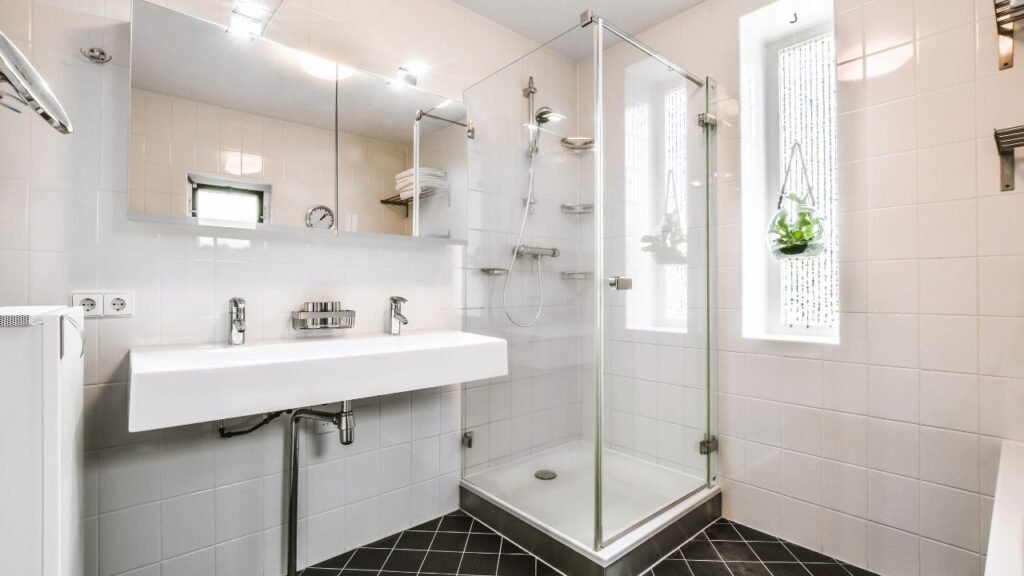
There’s a moment most homeowners recognize. You’re cleaning around the bathtub, scrubbing the step-over wall, reaching into the corners, and somewhere in the middle of it you realize you can’t actually remember the last time you used this thing for a bath. Not a real one. It’s been months. Maybe longer.
That moment is worth paying attention to.
A tub-to-shower conversion isn’t just a style upgrade. It’s a practical decision rooted in how your bathroom is actually used, and whether the space is working for your daily life or just taking up square footage. This blog breaks down the real signs it’s the right move, what the process looks like, and what to watch for so you don’t end up with a result you’ll regret.
Key Takeaways
- A conversion makes the most sense when the tub is unused, hard to enter safely, or creating a cleaning burden you’re tired of managing.
- The scope of work varies significantly depending on whether you’re converting a standard alcove tub, reconfiguring the space, or moving plumbing.
- Solid surface wall systems can make post-conversion showers dramatically easier to maintain than tile-and-grout builds.
- Home resale implications depend heavily on how many bathrooms are in the home. Removing your only tub is a different conversation than converting a second or third bath.
- Not all quotes are equal. Knowing what to ask before hiring can save you real headaches.
The Bathroom Signals That Point Toward a Conversion
Most people focus on lifestyle when making this decision, and that matters. But there are also specific bathroom signals that make a conversion the obvious choice, regardless of personal preference.
The tub step-over is becoming a problem. This is one of the clearest signals, and it’s easy to dismiss until it isn’t. Traditional tubs typically have a 14 to 18-inch wall to step over, which feels fine at one point in life but becomes uncomfortable or even unsafe later. According to the EPA’s WaterSense program, the average bath uses roughly 35 to 50 gallons of water, while a standard 8-minute shower uses about 17 gallons. So if the tub is going unused, switching to a shower also tends to cut water consumption considerably. But beyond the utility savings, if anyone in the household is managing that step carefully rather than confidently, the bathroom is already working against you.
The tub area is always dirty. This isn’t a cleaning habits problem. It’s a surfaces problem. Grout lines, the gap at the tub deck, the caulk at the surround corners: these areas trap soap scum, mildew, and moisture in ways that are genuinely hard to keep clean. If you’re putting real time into that area weekly and it still doesn’t look right, the surfaces themselves are the issue.
The bathroom feels smaller than it should. A standard alcove bathtub claims roughly 13 to 15 square feet of floor space. In a 50-square-foot bathroom, that’s a substantial percentage of the room. Replacing it with a walk-in shower, even one of similar width, can dramatically change how open the space feels, both visually and practically.
The tub hasn’t been used in over six months. This one’s simple. A fixture that takes up 25 to 30% of a small bathroom’s footprint, requires regular cleaning, and sits unused is a poor use of space. At that point, the tub isn’t an amenity. It’s just a chore. This pattern reflects a broader shift in how people actually use their bathrooms: according to an NAHB survey cited by Tundraland, 56% of home buyers prefer a shower-only master bathroom. And here in Florida specifically, top real estate agents have noted that removing a tub in favor of a shower rarely hurts marketability, particularly in communities where accessibility and ease of use are priorities.
What a Conversion Actually Involves
People often underestimate or overestimate the scope of a conversion, depending on what they’ve read. The reality sits somewhere in the middle, and it depends on what you’re starting with.
Standard alcove tub to shower. This is the most common and most straightforward conversion. The tub is removed, the drain is typically repositioned or modified, the floor space gets a new shower base or tile, and the three walls are resurfaced with a shower wall system. In most cases, the plumbing footprint stays similar, and no structural changes are needed. This is the conversion type that can realistically be completed in one to two days with the right team.
Tub-to-shower with a layout change. Some homeowners take the opportunity to reconfigure the space by extending the shower footprint, relocating the entry, or adding a bench or niche. This adds complexity. It may involve moving supply lines, adjusting drain placement, or opening walls.
Existing tub surround condition. If the walls behind the old tub surround have water damage (and in older homes, this is fairly common), that needs to be addressed before the new shower system goes in. Skipping this is one of the more common conversion mistakes. The new walls will look fine for a while, then the underlying damage reasserts itself.
Conversion Types and What They Offer
Not all post-conversion showers look or function the same. Here’s how the main configurations compare:
| Shower Type | Best For | Key Advantage | Watch Out For |
| Walk-in with a low threshold | Easier daily entry; aging-in-place planning | Most accessible option; feels open | Requires good drainage design to avoid water spread |
| Doorless / open entry | Modern aesthetic; easy access | No door to clean or maintain | Needs proper ventilation; layout planning matters |
| Frameless glass enclosure | Maximizing visual space; modern feel | Makes small bathrooms feel larger | Glass cleaning is a real commitment |
| Semi-frameless sliding door | Small bathrooms where swing doors won’t work | Space-efficient; familiar feel | Sliding track collects grime over time |
| Tiled walk-in with built-in niche | Custom, permanent look | Design flexibility; storage built in | Grout maintenance ongoing; longer install time |
The right choice depends on how the rest of the bathroom is laid out, how much natural light the space gets, and what your actual tolerance is for cleaning glass or maintaining grout.
What Affects the Cost?
Conversion costs vary widely, from under $3,000 for a basic alcove swap to $10,000 or more for a full custom tile build with a layout change. The factors that drive cost up most quickly are plumbing relocation, wall damage remediation, and the choice of surface materials.
| Cost Factor | Lower End | Higher End |
| Basic tub removal & disposal | Included in most quotes | N/A |
| New shower base (acrylic/solid surface) | $300–$700 | $1,200+ for custom tile |
| Wall panels (solid surface) | $800–$1,500 installed | $2,500+ for large format tile |
| Plumbing adjustment (minor) | $200–$400 | $800–$1,500+ if relocating drain |
| Glass enclosure or door | $500–$900 (semi-frameless) | $1,500–$3,000+ (frameless custom) |
| Wall damage repair | $0 (if none exists) | $500–$1,500+ depending on scope |
| Labor (full install) | $800–$1,500 | $2,500–$4,000+ for complex jobs |
One decision that has an outsized impact on long-term satisfaction: the wall system. Solid surface panels (the kind used in American Bath & Shower’s solid surface wall installations) eliminate grout lines entirely. That single choice affects how easy the shower is to clean for its entire lifespan. It’s not just an aesthetic preference; it’s a maintenance decision that compounds over the years.
The Home Value Question
This comes up in almost every conversion conversation, and the answer is more nuanced than most online resources make it sound.
Removing the home’s only bathtub can reduce buyer appeal, particularly for families with young children. Real estate professionals often cite the absence of at least one tub as a potential objection during resale. If you have a single-bathroom home, that context matters and should factor into the decision.
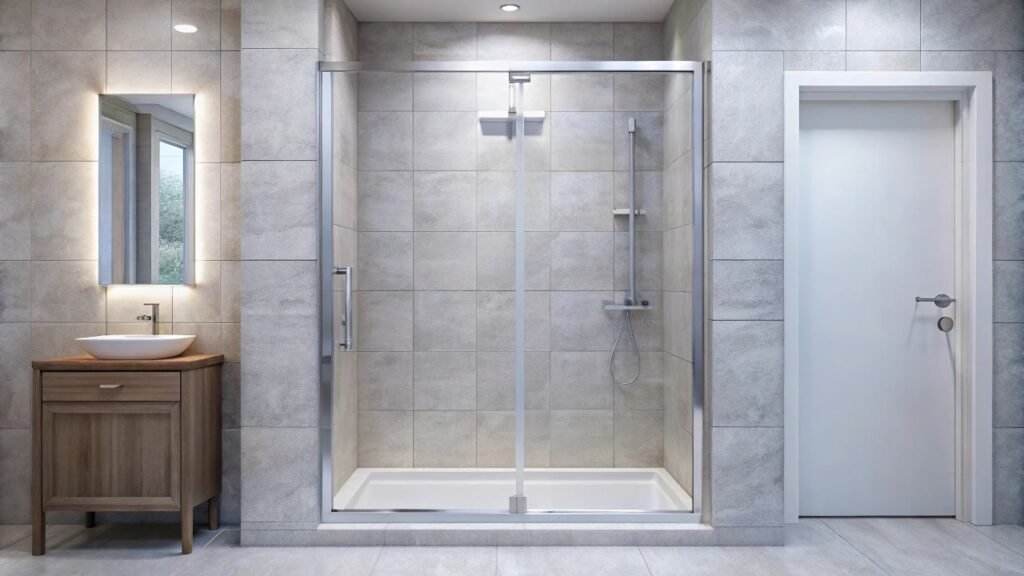
But in a home with two or more bathrooms? The calculus changes. Converting a secondary bathroom that nobody uses the tub in, into a well-done shower space, often adds more value than it removes. A dated, cramped bathroom with a discolored tub and failing grout doesn’t photograph well and doesn’t impress buyers. A clean, updated shower with quality wall surfaces does.
The better question isn’t “does a conversion hurt value?” It’s “does this specific bathroom, in its current state, help or hurt my home’s appeal?” That’s what should drive the decision.
Mistakes That Are Easy to Make
Choosing surfaces for looks, not maintenance. A beautiful large-format tile conversion can look spectacular in a showroom photo. In a daily-use shower, those grout lines become your responsibility indefinitely. If you’re not prepared for that ongoing maintenance, lean toward solid surface systems that don’t require the same upkeep.
Not inspecting the walls before starting. Water damage behind old tub surrounds is common, especially in homes built before the 1990s. A contractor who doesn’t check, or doesn’t disclose what they find, is setting you up for problems. Get clarity on this before work begins, not after walls are opened.
Underestimating ventilation. Showers, especially open-entry configurations, generate more ambient moisture than enclosed tub areas. If the bathroom’s existing exhaust fan was borderline adequate before, it may need an upgrade to handle the new configuration properly.
Skipping fixture planning until the end. Showerhead position, hand shower height, and valve placement should all be planned before walls go in, not after. Retrofitting these details once surfaces are installed is expensive and sometimes impossible without reopening walls. Fixtures and accessories should be part of the conversation from the start.
Questions Worth Asking Before You Hire
Not all quotes reflect the same scope of work. Before signing anything, ask:
- Is wall inspection included, and what happens if damage is found?
- Does your quote include waterproofing the shower floor and walls, or is that separate?
- What’s the lead time from contract to install date?
- Do you handle plumbing modifications in-house, or is that subcontracted?
- What does the warranty cover, and for how long?
A contractor who answers these clearly and without hesitation is usually one who’s dealt with these situations before. Vague or deflective answers on scope and warranty are worth paying attention to.
American Bath & Shower’s shower solutions are built around one-day installation in most cases, with a lifetime warranty on products, which removes a lot of the uncertainty that makes bathroom projects stressful.
FAQs
Can I convert a tub to a shower without moving the drain?
Sometimes, yes. If the existing tub drain is positioned in a way that works for a shower base, it can often be adapted rather than relocated. This depends on the specific layout and what type of shower base you’re installing. Your installer should be able to confirm this during the initial assessment.
How long does a standard tub-to-shower conversion take?
For a straightforward alcove conversion using prefabricated or solid surface components, one day is realistic. More complex jobs involving tile, plumbing relocation, or custom layouts will take longer, sometimes two to four days.
Does a converted shower need more cleaning than a tub?
Not necessarily, and often less, depending on the surfaces. Solid surface wall panels have no grout lines and wipe down easily. Glass enclosures require regular attention to prevent water spots and soap buildup, especially in areas with hard water.
Is a conversion reversible if I change my mind?
Technically yes, but it’s not a simple swap. Converting back to a tub would require reinstalling a tub, reconfiguring plumbing, and resurfacing the walls again. Most homeowners who convert don’t reverse the decision, though it’s worth considering if the home has only one bathroom.
What if my bathroom is small? Will a shower make it worse?
Usually the opposite. A well-designed shower, particularly one with a frameless glass enclosure or an open-entry layout, makes a small bathroom feel more open than a tub does. The tub wall cuts off sightlines in a way that a glass shower surround doesn’t.
Is Now the Right Time?
If the tub is going unused, if entry is becoming a concern, or if the surround area is a constant cleaning battle, the answer is probably yes.
The shower solutions team at American Bath & Shower works with homeowners across Florida to assess what the space needs and build a conversion that holds up. No demolition mess, one-day installs in most cases, and products backed by a lifetime warranty.Schedule a free consultation and find out exactly what your bathroom needs, and what it doesn’t.